
Transitioning a professional kitchen away from legacy gas burners requires precise calculation of thermal energy demands and electrical limits. Kitchen managers frequently ask how much power is necessary to maintain fast service during peak dining rushes without risking circuit overloads.
Inaccurate wattage selection leads to performance throttling or wasted capital on oversized systems that inflate utility costs. Every professional operation requires a targeted power strategy based directly on menu demands, throughput, and footprint.
Understanding these electrical parameters prevents unexpected operational bottlenecks during high-pressure dining hours. Equipment designers must balance high-frequency magnetic output against facility wiring limits to ensure stable, long-term performance.
Culinary teams relying on electromagnetic technology benefit immensely from structured power evaluations before final procurement decisions. Careful planning safeguards culinary workflows against sudden power failures.
Standard Wattage Options Across Commercial Induction Cooker Models
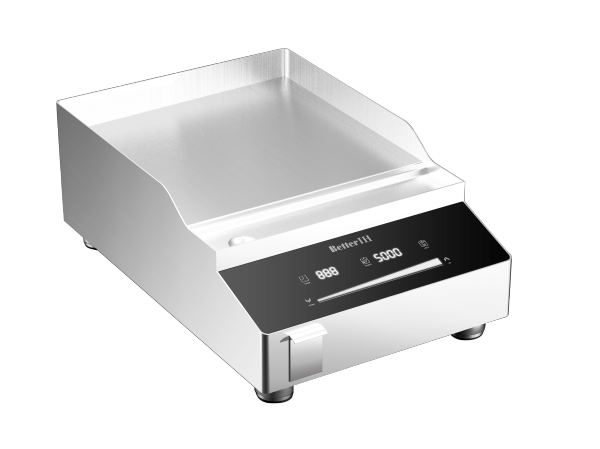
Commercial kitchen layouts span multiple power brackets to accommodate diverse cooking tasks, ranging from light finishing to heavy stockpot boiling. Entry-level countertop units typically operate at 3.5kW, making them ideal for low-volume stations, dessert bars, and auxiliary finishing tables.
Mid-range systems scale up to 5kW and 8kW, delivering rapid thermal recovery for general sautéing, pan-frying, and sauce reduction. Heavy-duty applications demand massive continuous energy inputs stretching from 10kW to 15kW to maintain pace with industrial demands.
Every culinary concept requires a specific electrical profile to ensure that cooking zones never experience thermal lag under heavy pan loads. A high-performance commercial induction cooker transfers electromagnetic energy directly to compatible ferromagnetic cookware, helping reduce heat loss to the surrounding area..
Manufacturers configure these units with precise digital controls so chefs can adjust output smoothly from gentle simmering to aggressive boiling.
Selecting the correct tier prevents the common pitfall of underpowered burners stalling out during peak banquet preparation and service hours. Comprehensive product catalogs from Better Induction provide flexible wattage options tailored to unique restaurant layouts and cooking styles. Matching equipment scale to daily throughput optimizes kitchen ergonomics and staff efficiency.
Assessing Electrical Phase and Voltage Requirements for Kitchen Infrastructure
Raw wattage tells only part of the story when evaluating facility readiness for high-performance thermal hardware and professional upgrades. Standard single-phase connections usually cap out around 240 volts, restricting maximum continuous loads to lower-tier wattage configurations safely. Higher power tiers require specialized electrical layouts to distribute current evenly across internal copper coils and transformers.
Advanced commercial induction cooking equipment operating above 5kW universally demands 380V to 415V three-phase configurations to prevent severe electrical imbalance. Ignoring these phase parameters risks frequent equipment faults, component degradation, and unexpected operational downtime during peak service hours. Facility managers must consult certified electricians before purchasing industrial machinery.
Engineers at Better Induction design modular electrical architectures that accommodate varying regional grid limitations without sacrificing thermal performance.
Customizing input configurations allows culinary businesses to align machinery with existing facility infrastructure safely. This technical alignment prevents costly emergency rewiring projects and protects capital investments over years of deployment.
Matching Equipment Power Ratings to Specific Restaurant Workflows
Menu architecture heavily dictates total facility power consumption because multi-station cooking spikes concurrent electrical demand during peak dining rushes. Facilities serving diverse menu items simultaneously must calculate aggregate loads across all active burners rather than evaluating individual units in isolation. Smart load management prevents catastrophic facility power failures during intense operational rush periods.
Different cooking techniques require distinct energy transfer rates to achieve optimal culinary results and texture consistency across every plate. Searing proteins demands concentrated, high-wattage bursts, whereas simmering delicate stocks relies on steady, low-amplitude energy delivery. Operating a versatile commercial induction cooker with variable power control ensures precise execution across diverse menu items.
Kitchen layouts also influence how power units are distributed across cooklines to optimize workspace ventilation, fire safety, and staff movement. Centralized island stations handling high-wattage machinery require dedicated drop-down electrical drops rather than standard wall outlets. Proper cable management protects electrical lines from accidental spills, grease accumulation, and heavy foot traffic hazards.
Calculating Total Electrical Load and Energy Efficiency for Long-Term Operation
Reliable commercial induction cooking equipment transforms modern culinary workspaces through precise energy transfer and minimal ambient heat radiation. Selecting correct power ratings guarantees that kitchen staff can execute high-speed techniques without experiencing thermal lag or equipment throttling during busy shifts. Careful upfront calculation remains the ultimate safeguard against inefficient kitchen operations.
Long-term financial returns depend heavily on avoiding both underpowered bottlenecks and oversized electrical installations that inflate commercial utility overhead costs. Professional equipment advisory services provided by Better Induction help culinary enterprises navigate complex amperage calculations with absolute confidence. Successful electrical assessments require aligning daily culinary volume with available infrastructure parameters.
Workspace thermal efficiency heavily favors properly rated electromagnetic burners over legacy heating methods because magnetic transfer minimizes wasted ambient heat. Reduced cooling loads in professional kitchens translate directly to lower monthly utility bills and better staff comfort during brutal summer shifts. Smart power scaling drives sustainable restaurant profitability and operational resilience.
Equipment longevity depends directly on maintaining stable voltage levels and preventing chronic electrical overloads within internal circuitry. Protective monitoring systems safeguard sensitive components against sudden grid fluctuations and voltage spikes during continuous daily use. Vigilant maintenance practices protect heavy capital investments over years of demanding commercial service.
Determining precise electrical needs helps avoid costly power issues and ensures reliable kitchen performance during busy service periods. Thorough upfront evaluation of workflow volume, voltage limits, and wattage tiers guarantees long-term operational success for expanding culinary ventures worldwide. Facilities that balance power capacity with menu demands achieve maximum efficiency, lower utility expenses, and reliable daily productivity across all stations.
GET IN TOUCH
Contact With us