
A commercial induction cooker and an electric stove may both use electricity, but they do not turn electricity into cooking heat in the same way. That fundamental distinction affects heating speed, temperature response, energy transfer, cookware requirements, and equipment design.
In a commercial kitchen, looking past raw wattage and aesthetics to understand these operational differences is crucial. True value comes down to how a unit generates heat and how effectively that thermal behavior meets your actual cooking needs.
How Commercial Induction Cookers and Electric Stoves Generate Heat
The biggest difference starts beneath the cookware. A conventional electric stove uses electrical resistance to heat an element or cooking surface. Heat then moves from that heated component into the pan.
A commercial induction cooker uses an electromagnetic field to generate heat in compatible cookware. Instead of making a conventional heating element the primary source of cooking heat, the induction system transfers energy through electromagnetic induction directly to the cookware.
That distinction changes the heating path. With resistance cooking, electricity → heating element → cookware → food describes the basic sequence. With induction, the electromagnetic system → compatible cookware → food is a more direct representation.
For commercial equipment, this is not merely a technical difference. It determines how the cooking station responds to changes in power and why induction requires suitable cookware.
Heating Speed and Temperature Response Are Different
Cooking speed is one of the most noticeable differences between the two technologies. A resistance electric stove has to bring its heating element or surface to the required operating condition before heat can be effectively transferred to the cookware.
Induction generates heat within compatible cookware through the electromagnetic field. As a result, the heating response can be much more direct.
The U.S. Department of Energy notes that Consumer Reports testing found induction cooktops could boil water 20–40% faster than tested gas and traditional electric cooktops. Actual results still depend on cookware, power input, food quantity, and equipment design.
Temperature adjustment is another important distinction. Commercial cooking frequently requires operators to move between high-output heating and controlled simmering. Induction's electronic power control is designed to make these adjustments quickly, whereas conventional electric systems depend more heavily on the thermal behavior of the heating element.
For a high-volume station, that difference can affect how easily an operator manages repeated cooking changes throughout service.
Induction Transfers More Energy Directly Into the Cookware
Efficiency is often mentioned when comparing induction with electric resistance cooking, but the useful comparison is energy transfer rather than a simple claim that one appliance always consumes less electricity.
ENERGY STAR identifies induction cooking as approximately 85% efficient in its consumer cooking-top guidance, while conventional electric cooking tops are generally around 75–80%.
The underlying reason is closely connected to the heating mechanism. Conventional electric cooking produces heat in the resistance element first. Induction produces the heating effect within compatible cookware itself.
Less unnecessary heating of the surrounding cooking surface can also influence the kitchen environment. ENERGY STAR notes reduced heat released into the kitchen among the characteristics associated with induction cooking.
For commercial operators, however, efficiency should still be evaluated using the actual equipment specification and operating conditions. Power rating, cookware, cooking duration, load, and control strategy all influence real-world electricity consumption.
Cookware Requirements Set Induction Apart
Cookware compatibility is one area where the difference is immediately practical. An induction system needs cookware capable of interacting with its electromagnetic field.
Many cast-iron and magnetic stainless-steel cookware products are compatible with induction, while cookware made entirely from nonmagnetic materials may not work correctly. ENERGY STAR recommends checking cookware compatibility when evaluatingcommercial induction cooking equipment.
A conventional electric stove does not rely on electromagnetic interaction. Its resistance element can transfer heat to cookware through contact, so the cookware material is generally less restrictive from a heating-mechanism perspective.
For a commercial kitchen considering a switch to induction, cookware should therefore be checked before equipment is purchased. A kitchen using standardized pots and pans may need to confirm that its existing inventory works with the selected induction system.
This requirement is a genuine difference between the technologies rather than a minor specification detail.
Commercial Equipment Formats Also Differ
The comparison becomes broader when looking at commercial equipment rather than residential cooktops. Commercial induction technology can be built into different equipment formats according to the cooking task.
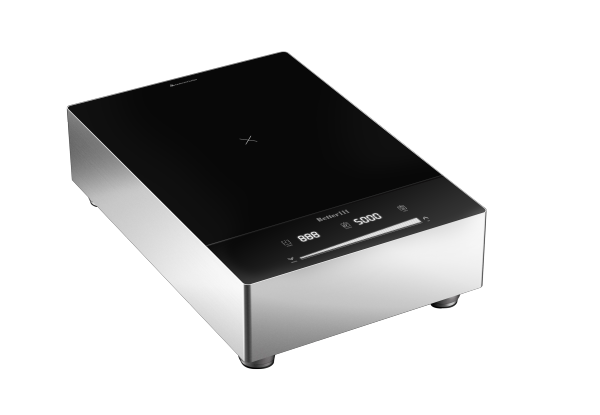
Better Induction's commercial range includes tabletop, free-standing, built-in, hidden, and drop-in induction equipment, as well as heavy-duty units, induction fryers, induction warmers, buffet stations, and induction wok equipment.
Such configurations show how a commercial induction cooker can be adapted to different professional cooking environments. A high-output wok station, for example, has a different equipment requirement from a compact countertop cooking station.
Electric resistance equipment can also be manufactured in multiple commercial configurations, so equipment format alone does not determine which technology is better. The meaningful difference is how the chosen format incorporates the underlying heating system.
For OEM buyers, the distinction becomes particularly relevant when specifying the cooking surface, control system, power architecture, and intended cookware together.
Which One Makes More Sense for a Commercial Kitchen?
The answer depends on which differences matter most to the operation. A conventional electric stove can remain suitable where existing cookware, cooking procedures, and resistance-based equipment already meet the kitchen's requirements.
A commercial induction cooker becomes more attractive when direct cookware heating, rapid response, energy-transfer efficiency, and specialized commercial configurations are priorities.
The comparison should therefore focus on five practical questions: How is heat generated? How quickly does the system respond? Where does the electrical energy go? What cookware is required? What commercial equipment format is needed?
At Better Induction, we use these questions to frame commercial induction equipment around the actual cooking requirement rather than treating induction as simply an alternative type of electric stove. Our commercial range covers multiple configurations because the appropriate induction solution depends on the intended cooking task.
Although electric and induction stoves share a power source, they create cooking heat in entirely different ways. Electric cooktops rely on heating an internal resistance element, whereas induction uses electromagnetic energy to heat the cookware itself. This core mechanical difference shapes everything from thermal response and efficiency to cookware requirements and equipment layout.
When comparing the two, buyers should look past the basic "induction versus electric" debate. The ultimate goal is to determine if a particular heating technology and setup truly match the day-to-day realities of your kitchen.
GET IN TOUCH
Contact With us