
Kitchen operators are constantly walking a tightrope between tight workspace layouts, equipment muscle, easy cleanup, and long-term durability. Deciding whether to drop in a flush-mounted module or stick with portable surface units directly dictates how fast service flows, how easily staff can sanitize the station, and how adaptable your layout remains.
Pick the wrong format, and you are baking a permanent bottleneck straight into your rush hour. That is why smart facility planners look past the initial price tag to see how a specific commercial induction range or heavy duty induction cooker actually influences day-to-day ergonomics and workflow. Protecting that operational rhythm is what ultimately safeguards your bottom line.
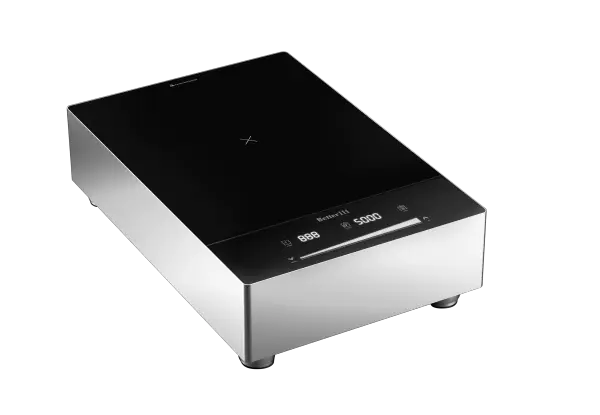
Deciding between these two formats depends heavily on specific kitchen requirements and architectural goals. Countertop units are often the ideal choice for dynamic layouts, frequent menu shifts, and budget-conscious kitchen retrofits. They allow culinary teams to move portable equipment across stainless steel work tables without permanent architectural modifications or custom cutting.
Conversely, permanent drop-in installations excel in high-volume permanent hot lines and new-build architectural designs. They deliver a clean, built-in aesthetic with optimized under-counter storage integration, eliminating edge clutter and creating a unified prep surface. Understanding these baseline priorities helps operators match hardware formats directly to their spatial and operational constraints.
Spatial Flexibility Versus Permanent Integration
Countertop units offer unmatched mobility for modular cooking lines, food trucks, and fast-paced ghost kitchens. Chefs can easily slide portable equipment across stainless steel prep tables depending on daily prep demands. Moving or reconfiguring surface cookers takes only minutes without requiring custom carpentry or structural welding work.
Permanent drop-in models require precise counter cut-outs in expensive stone or stainless steel work surfaces. Once installed, the cooking station is locked into a fixed physical coordinate within the established kitchen layout.
A drop-in unit is harder to replace when a future replacement model features a different cut-out size. Fixed cut-outs restrict sudden layout changes if your menu pivots toward entirely different cooking volumes or equipment footprints. Future kitchen expansions depend heavily on whether your layout relies on movable or immovable cooking assets.
Ergonomics and Line Workflow Realities
Line cooks interact with cooking hardware height depending heavily on chassis placement and cabinet depth. Flush-mounted drop-in models reduce physical lifting strain when sliding heavy stockpots onto the ceramic glass surface. Lower elevation prevents awkward shoulder angles during repetitive stirring tasks throughout long meal services.
Operating a high-output heavy duty induction cooker requires careful attention to counter height and vessel weight. Surface units sit higher off the work table, altering traditional stirring angles for sauté chefs and sauce cooks.
Ensuring the glass surface aligns with adjacent prep benches keeps ingredient transfers smooth and reduces operator fatigue during peak hours. Ergonomic alignment directly influences daily staff retention and kitchen output speed.
Thermal Management and Under-Counter Ventilation
High-power semiconductor components generate significant internal heat during continuous commercial food service and rapid boiling cycles. Surface countertop units rely on unhindered ambient airflow around perimeter casing vents to disperse heat effectively. They need clear clearance on all sides to prevent thermal shutdown during peak meal rushes.
Built-in drop-in modules transfer thermal exhaust requirements directly into the enclosed cabinet space below the counter. Operating a multi-zone commercial induction range in a tight cabinet cavity requires specialized louvered grills or active exhaust fans.
Cabinet doors must incorporate ventilation grilles to safeguard electronic boards. Without proper air exchange calculations, trapped heat triggers protective thermal cut-offs right when service peaks.
Maintenance, Swaps, and Long-Term Durability
Commercial cooking equipment faces daily abuse from liquid spills, heavy pots, and commercial cleaning chemicals. Countertop models allow maintenance technicians to disconnect units and swap them out within minutes during a service lull. Repair access is straightforward because the entire stainless steel chassis remains fully exposed on the table.
Servicing a flush-mounted heavy duty induction cooker often requires removing cabinet panels or lifting heavy ceramic plates from sealed cut-outs. Maintenance teams at Better Induction recommend designing service access panels beneath built-in units to simplify internal component checks. Durable Schott Ceran or Eurokera glass tops protect internal copper coils from liquid ingress regardless of the mounting style.
Selecting the Right Hardware for Your Facility
Finalizing your kitchen layout demands close coordination between interior designers, cabinet makers, and commercial equipment suppliers. Modular countertop setups suit operations that prioritize agility, quick maintenance access, and budget-friendly installation timelines. Permanent drop-in lines appeal to institutional dining rooms and hotel banquets focused on high-end visual aesthetics.
Project managers collaborating with Better Induction often benefit from detailed template cut-out drawings and precise electrical load planning. Matching your voltage supply and phase requirements to a commercial induction range prevents unexpected power drops during peak cooking hours. Thorough pre-installation checks eliminate costly mid-construction changes and ensure immediate readiness from day one.
Working alongside Better Induction engineers ensures that your chosen equipment configuration delivers reliable daily performance under pressure. Balancing immediate spatial limits with enduring operational goals guarantees a resilient, high-performance commercial kitchen line.
GET IN TOUCH
Contact With us