
Heavy-duty induction cooking equipment is defined by its capacity to sustain continuous high-power output under extreme professional kitchen stress. Unlike light-duty catering appliances, true industrial units incorporate thick-gauge metal framing, high-capacity cooling systems, and resilient electronic architecture.
Kitchen directors evaluating a commercial induction range must look beyond marketing claims to analyze internal engineering specifications. Understanding these exact performance thresholds ensures long-term operational reliability during peak service hours without unexpected failures.
Defining Heavy-Duty Induction Criteria for Commercial Kitchens
Professional kitchens operate in high-friction environments characterized by spilled liquids, heavy cookware impacts, and continuous mechanical vibration. Equipment classified as heavy-duty must handle multi-hour continuous cooking cycles without experiencing thermal throttling or electronic component degradation.
Facility planners need to distinguish between light commercial hobs designed for intermittent use and robust production lines built for heavy pots. Evaluating internal heat sinks, coil diameters, and enclosure ingress protection ratings clarifies real operational capabilities. Establishing these performance baselines protects capital investments and prevents unexpected kitchen downtime during busy dinner services.
Structural Housing and Stainless Steel Construction
Robust exterior housing protects delicate internal wiring and electromagnetic coils from harsh kitchen environments and aggressive daily cleaning routines. 304 stainless steel is commonly used for commercial equipment housings because of its reliable corrosion resistance and cleanability. Internal reinforcement frames prevent structural warping when heavy stockpots or multi-gallon pans slam repeatedly onto the cooktop surface.
Manufacturing heavy-duty machinery demands thick-gauge metal panels welded seamlessly to eliminate fluid traps and bacteria ingress points. Operating a heavy duty induction cooker under rigorous commercial demands requires a foundation engineered for extreme physical endurance.
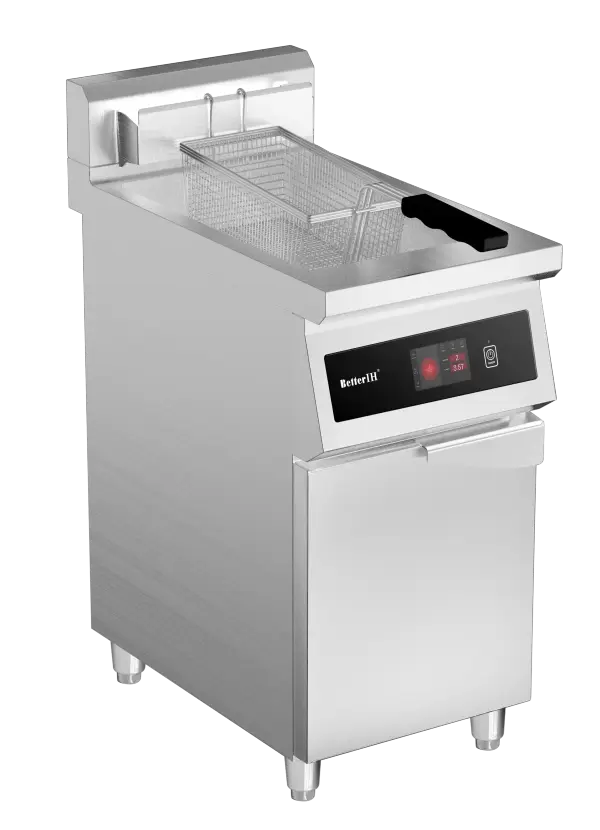
Better Induction incorporates reinforced internal chassis designs to withstand continuous mechanical vibration and physical abuse typical of bustling production lines. Floor-standing assemblies feature adjustable bullet feet to stabilize units securely across uneven kitchen floor tiles and drainage slopes.
Thermal Resilience and High-Impact Glass-Ceramic Panels
Cooktop surfaces bear the direct brunt of heavy iron pans, abrasive scouring pads, and sudden thermal shock during peak dinner hours. Thick glass-ceramic panels provide strong resistance to mechanical impact and point loading from commercial cookware. Thermal shock tolerance allows surfaces to transition rapidly from low holding temperatures to maximum power output without cracking.
Premium ceramic panels maintain structural integrity even when accidental boil-overs cool the hot glass surface instantly during intense cooking cycles. Engineers design a properly sealed glass-to-chassis interface to prevent spilled liquids from seeping into sensitive internal electronic components located directly below.
High-grade ceramic surfaces also optimize magnetic energy transfer efficiency, minimizing thermal loss between the copper coil and the pan base. Maintaining pristine glass clarity supports quick sanitation routines between demanding service shifts and rapid culinary turnarounds.
Inverter Power Delivery and Electrical Configuration
Magnetic cooking generators rely on advanced semiconductor components to convert standard electrical currents into high-frequency alternating magnetic fields seamlessly. Heavy operational demands require robust insulated-gate bipolar transistors and oversized copper coils to deliver stable energy output during extended multi-hour rushes.
Commercial heavy-duty induction equipment may use single-phase or three-phase electrical configurations depending on the model, power rating, and local supply. Many industrial and commercial systems operate within approximately 380–415V three-phase environments, but the equipment nameplate and manufacturer specifications should always determine final electrical requirements.
Voltage fluctuations can affect sensitive electronic components, so appropriate surge protection should be considered when designing the electrical setup.
Intelligent microprocessors monitor operating frequencies and automatically adjust power delivery during unstable electrical grid conditions. Advanced thermal management systems deploy dedicated cooling fans and heat sinks to protect internal inverter boards from overheating during service. Better Induction utilizes specialized thermal shielding to protect sensitive internal components from radiant counter heat and maintain consistent output.
Operator Interface and Serviceable Maintenance Design
Choosing a reliable heavy duty induction cooker ensures consistent performance under relentless commercial pressure and heavy pots. Digital touch panels and heavy-duty rotary knobs must respond accurately even when operators wear wet kitchen gloves or greasy hands. Clear LED digital readouts display exact power increments and timing parameters, eliminating guesswork during fast-paced service intervals.
Ergonomic control placement helps to reduce unintentional adjustments while also ensuring that operational interfaces are easily accessible to line cooks who are always on the move. Facility managers should consider service availability when selecting a commercial induction range for high-capacity production. They should also confirm that routine maintenance and support are accessible.
Service personnel are able to readily access wiring harnesses, sensors, and cooling filters when using modular internal layouts. This eliminates the need for them to disassemble entire equipment banks in order to perform repairs.
At Better Induction, we provide comprehensive technical documentation and readily available replacement parts to help our customers minimize downtime when maintenance is required.
We also recommend regular inspections and cleaning of internal filters to maintain proper airflow and protect sensitive electrical components from grease and dust buildup. By focusing on serviceability during the design and manufacturing process, we help professional kitchens maintain reliable equipment performance while reducing long-term maintenance costs.
GET IN TOUCH
Contact With us