
Two pans can have similar base diameters yet behave differently during the same cooking task. Differences emerge during stirring, sauce reduction, and serving. Sidewall height, slope, and curvature influence these actions, so pan selection should involve more than a quick fit check.
During a restaurant induction cooker trial, sidewall shape matters when it changes food movement, moisture loss, utensil access, or portion control. We recommend identifying those tasks before comparing cookware. This prioritizes measurable results. Trials should include both routine portions and the larger batches prepared during peak service, since a pan that handles a small portion comfortably may become awkward when fuller.
Which Tasks Expose Sidewall Differences?
Straight walls help contain liquids during simmering and reduce the chance of spilling when a pan is filled. They can also limit access to the corner between the base and wall. Wide spatulas may struggle to reach trapped food.
Sloping walls allow ingredients to move upward as cooks toss or turn them. They also create a wider opening relative to the base, which may change evaporation. During sautéing, observe food movement and batch capacity.
Rounded transitions between the base and sides can make scraping and stirring easier with certain utensils. However, the benefit depends on the utensil shape and recipe. Test with utensils used in service.
Why Can Identical Recipes Produce Different Results?
Heat input is only one factor in cooking. Induction transfers energy into compatible cookware through magnetic coupling, mainly through the base. Sidewall shape does not independently determine heating speed. Material, base construction, magnetic properties, and cooking-zone compatibility must be considered before blaming geometry.
Evaporation creates another variable. Pans with different wall slopes may expose different liquid surface areas at the same fill volume. Compare reduction by weighing the contents before and after a fixed heating period. Keep quantities, lids, and settings consistent.
Movement affects browning and consistency. Food left in the base-wall corner may cook differently from food moved through the center. Note accumulation, scraping frequency, and uneven color.
Power ratings do not replace this evaluation. A 3500 W induction cooker can be used in a suitable trial setup, but its stated rating alone cannot predict how straight or curved sidewalls will perform. Record settings and cookware details.
What Should the Trial Record Include?
Measure the flat base, rim diameter, wall height, and overall pan depth. Also note whether the sides are straight, sloped, or curved. Similar advertised sizes can conceal differences in volume and stirring space.
Use the same recipe, starting ingredient temperature, portion size, and operator for initial comparisons. Record total cooking time, reduction amount where relevant, splatter, and food remaining after transfer. Repeat the run to check consistency. Photograph the finished portions under similar lighting and keep the notes with each cookware sample. This gives procurement and kitchen teams a shared record when reviewing the trial.
Operator feedback belongs beside numerical measurements. Ask whether a utensil reaches the edge easily, whether tossing feels controlled, and whether liquid can be poured without excessive dripping. Repeatable motions matter during service.
Cleaning is another useful checkpoint. Residue lodged near a sharp base-wall junction may require different scrubbing movements than residue on a smooth curve. Compare cleaning time after the same dish, while accounting for surface material and finish. Separate geometry from coating effects.
When Does the Equipment Configuration Matter?
The cooking station must suit the test objective. Active frying, sauce reduction, and keeping food warm require different operating conditions. Holding results do not establish frying performance. Define the application before choosing equipment and evaluating wall design.
Controls and display placement can influence operator routines. If the cook must monitor temperature or adjust settings repeatedly, record whether the interface remains accessible beside the selected vessel. Also check that pan placement follows the equipment instructions and does not obstruct controls.
For a restaurant induction cooker comparison, evaluate the pan during the specific cooking operation. With a 3500W induction cooker, verify the selected model's operating specifications and cookware requirements rather than assuming that its power label explains observed differences. Consistent procedures clarify results.
How Can Product Development Use These Findings?
Kitchen-equipment brands can turn trial records into clear design requirements. Instead of requesting a general improvement in cooking performance, specify the cookware dimensions, intended dishes, batch volume, preferred utensils, and observed handling difficulties. This gives engineering teams concrete conditions to review.
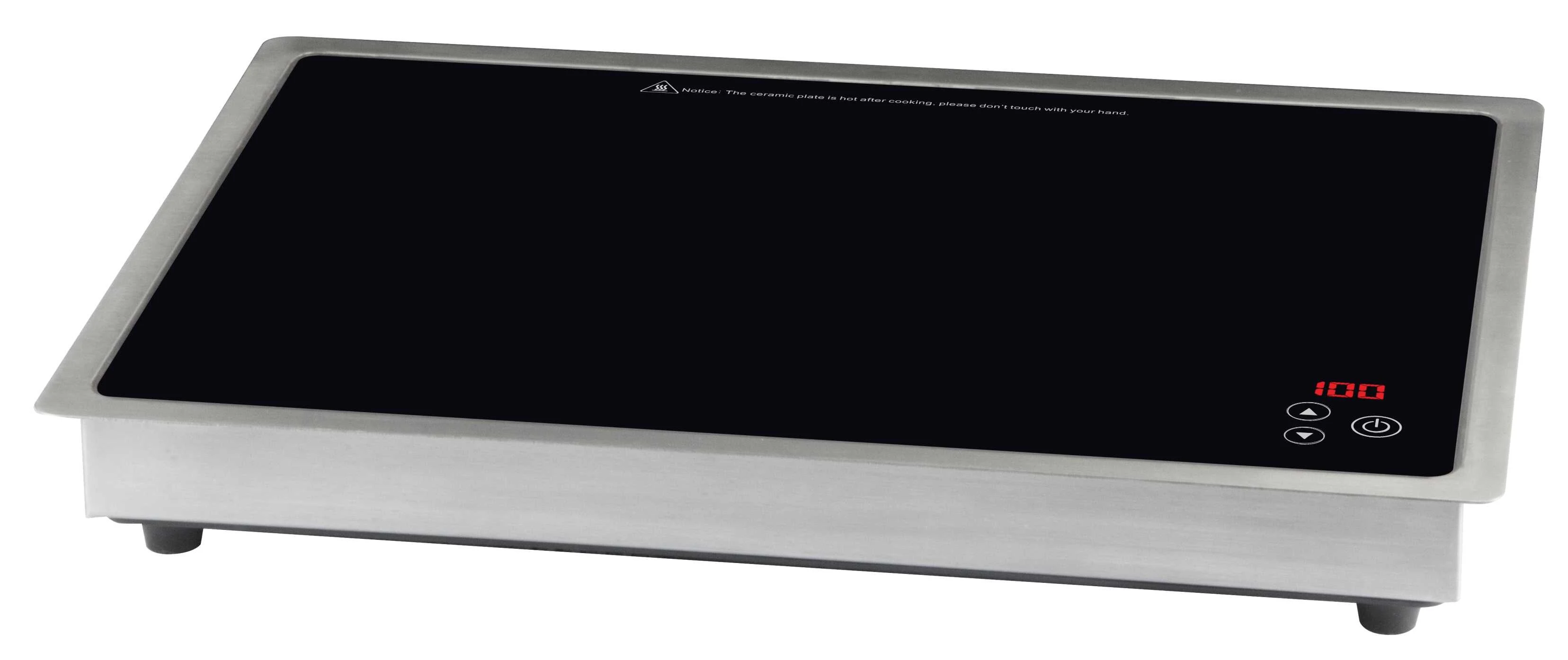
Our work at Better Induction includes ODM and OEM induction cooking equipment. One example is the BF100T, designed particularly for keeping food warm. It has a stainless steel body, built-in configuration, touch controls, electronic overheating protection, and a temperature display at the right corner of the glass plate.
Its glass-hob options include Schott Ceran and Eurokera France. For a holding application, test stirring access, serving convenience, and vessel placement with the intended cookware. Those findings may inform a customer-specific equipment discussion, without treating holding results as frying evidence.
Which Findings Should Guide the Decision?
Sidewall shape deserves attention when it affects stirring, evaporation, food movement, splatter, serving, or cleaning. No single profile suits every cooking task. Compare pans under repeatable conditions, document the actual differences, and assess base compatibility separately from wall geometry.
At Better Induction, we can review trial observations with brands developing induction cooking products. Share the cooking application, pan dimensions, utensil type, and test results so the next equipment discussion begins with practical requirements rather than assumptions.
GET IN TOUCH
Contact With us