
When outfitting or upgrading a commercial kitchen, the choice of induction cooktop has outsized influence on workflow speed, food quality, and operating costs. Unlike selecting residential equipment, a commercial induction cooker must handle continuous operation, accommodate high-volume demand, and integrate seamlessly with established kitchen processes.
The question isn't whether induction is suitable—it's which configuration, wattage, and control interface will deliver the performance your specific operation requires.
Matching Power Output to Kitchen Demand
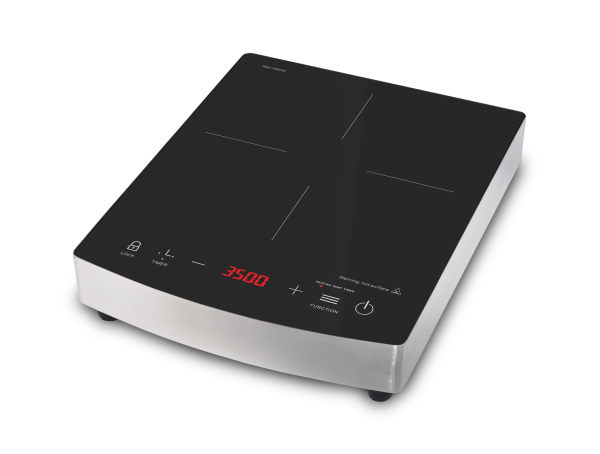
The first specification to nail down is power delivery, measured in watts or kilowatts. A 3500W unit handles sustained wok frying, rapid water boiling for pasta, or maintaining large stockpot temperatures under continuous demand. A 2000W single-burner model suits catering setups, buffet stations, or low-to-moderate cooking load scenarios. The mistake operators make most often is choosing based on price rather than actual peak demand.
Consider your busiest two-hour service window. Count simultaneous wok stations, how many pots of water must reach boiling, and whether simmering must happen in parallel. If your kitchen runs twelve covers per hour through wok stations during lunch service, underspecifying wattage will create bottlenecks that ripple through your entire operation.
Better Induction's 3500W commercial-grade units, for instance, are engineered specifically for high-volume Chinese or Southeast Asian kitchens where wok frying dominates the menu. If your kitchen relies instead on batch simmering, soup preparation, or buffet holding, a lower-wattage configuration may satisfy demand without overkill cost.
Temperature ramp speed also depends on wattage. Higher output reaches cooking temperature in seconds rather than minutes, reducing prep time and allowing flexible scheduling. Lower-output units require staff to plan ahead and start items earlier. This seemingly minor difference compounds across a 16-hour operating day.
Surface Type and Installation Constraints
Once you've sized the wattage, physical placement determines which form factor fits your kitchen. A tabletop or portable commercial induction cooker sits on existing counters, leaving your infrastructure unchanged and permitting relocation if workflows shift. A built-in or drop-in unit becomes permanent, requiring catering equipment to be selected during renovation or new kitchen design.
Tabletop units dominate catering, food truck, and pop-up kitchen environments because they're mobile and require only a standard power outlet. Drop-in models suit hotels, restaurants, or banquet halls where kitchen layout is fixed and professional appearance matters.
Built-in configurations integrate seamlessly into cooking islands, freeing counter space and creating a finished look that appeals to guests viewing open kitchens.
Your choice here isn't aesthetic—it's operational. If you frequently reconfigure stations, test new menus, or run seasonal service models, tabletop flexibility outweighs the polished appearance of built-in equipment. If your kitchen is permanent and your menu structure stable, investing in an integrated commercial induction cooking equipment setup pays dividends through professional presentation and optimized workflow.
Duty Cycle and Material Durability
The difference between equipment lasting three years and lasting a decade often comes down to whether the induction cooktop was engineered for intermittent home use or genuine continuous commercial service. Professional units feature reinforced magnetic coils, impact-resistant cooking surfaces, and thermal management systems rated for eight-hour or longer continuous operation.
A commercial induction cooker destined for a high-volume banquet kitchen must handle sustained heat generation without thermal throttling or performance degradation.
Budget-tier equipment cuts corners on coil shielding, resulting in overheating, automatic shutdowns during peak service, or premature failure. Heavy-duty models from reputable manufacturers cost more upfront but eliminate the hidden cost of downtime, repair labor, and emergency replacement during service.
Inspect the cooktop's construction: ferrous steel baseplate, potted coils, and ventilation design all influence lifespan. Warranty length—particularly coverage for the magnetic coil and power electronics—signals manufacturer confidence. A two-year or longer warranty on core components typically indicates engineering suitable for commercial demand.
Control Interface and Workflow Integration
Staff efficiency depends partly on how intuitively the cooktop responds to operator input. Dial-based controls work reliably in loud kitchens but offer limited precision. Touchscreen interfaces provide real-time temperature readout and programmable memory for recurring recipes, but require careful staff training and occasional touch-based calibration.
For high-volume Chinese wok operations, dial control with immediate tactile feedback suits experienced cooks who work by feel and eye. For buffet stations or catering prep, programmable controls that hold a specific temperature for hours simplify service and reduce staff attention demand.
Automatic induction cooking equipment—units with preset time and temperature sequences—suits batch operations like sauce preparation, stock reduction, or large-volume braising.
Better Induction offers touchscreen, dial, and hybrid control options across its product line, recognizing that different operations prioritize different interfaces. Consider how your staff learns, what tasks dominate your menu, and whether consistency or flexibility matters more to your operation.
Making the Final Specification Decision
With power, form factor, durability profile, and interface aligned to your actual operational needs, you now have the input data for procurement. Contact manufacturers with your specific parameters: total wattage needed, installation type, duty cycle, control preference, and timeline. Request quotes from multiple suppliers, but evaluate based on engineering fit rather than price alone.
The lowest-cost commercial induction cooker often becomes the most expensive when downtime and replacement costs materialize. A properly specified unit—one that matches your peak demand, integrates with your kitchen layout, and handles your duty cycle—becomes an asset that drives efficiency and reduces hidden costs.Better Induction and other established manufacturers will provide detailed specifications, warranty terms, and technical support to validate your selection before purchase.
Your choice will shape kitchen operations for years. Taking time to match wattage to demand, form factor to space, durability to usage intensity, and controls to staff capability ensures that your commercial induction cooktop investment pays dividends in speed, reliability, and staff satisfaction.
GET IN TOUCH
Contact With us