
Two trials finish the same recipe at different speeds. The quicker batch looks impressive on paper, but its vegetables are unevenly cooked and its sauce has thickened too much. The slower batch passes the kitchen's quality checks. Which result should purchasing teams use to judge the equipment?
The distinction is important when evaluating a restaurant induction cooker. Fastest output means the shortest measured completion time under defined conditions. Acceptable output means a finished batch meets agreed standards for cooking, appearance, and safety. Speed is useful only when the result can actually be served.
Why Does the Shortest Cooking Time Mislead?
Cooking time alone hides differences within a batch. The outside of a protein portion may brown before its center reaches the required temperature. Vegetables can soften unevenly, while sauces may scorch at the edges. These defects matter despite the shorter cooking time.
Fastest output also depends on how the trial is conducted. Smaller portions, warmer ingredients, or a different pan can produce a shorter time without proving improved cooker performance. Comparing results requires consistent ingredients, starting conditions, and cookware.
Acceptance must be decided before testing, not after seeing the stopwatch. Kitchen managers can specify a safe internal temperature where relevant, acceptable texture, portion weight, appearance, and holding requirements. Separate safety limits from sensory preferences. Food failing safety checks cannot qualify based on appearance.
Where Should the Timing Begin and End?
The starting point changes the meaning of the result. Timing from power activation includes initial heating. Timing from the moment food enters a preheated pan excludes it. Choose the method that reflects the kitchen operation being measured.
The finishing point deserves the same attention. Reaching a target display setting does not establish that the food is ready. Stirring, checks, resting, and plating may be required for acceptance. Record the cooking stage separately from these additional steps when useful.
Run several batches under the same procedure. Note the fastest observed cycle, the number of batches that pass, and the time taken by passing batches. One quick result says little about routine operation. Repeated results make it easier to distinguish a practical speed improvement from an isolated trial outcome.
How Can Heat Adjustment Change Food Quality?
High power may reduce the first heating stage while making later control more difficult. Sauce preparation offers an example: rapid heating helps reach a simmer, but continued heat can cause excessive reduction. The operator may need to lower the setting early to maintain the required consistency.
Cookware is another variable. Base flatness, magnetic compatibility, material construction, and pan diameter can influence heating behavior on an induction zone. Keep the cookware consistent between trials or document the differences. Otherwise, the comparison may reflect the pan rather than the equipment.
Record when operators raise or lower power, and what happens after each adjustment. The goal extends beyond reaching temperature quickly. It is to follow the intended cooking stages without repeated corrections, damaged ingredients, or unnecessary delays before the food is approved.
What Does a Useful Equipment Trial Include?
Purchasing teams should test recipes that reflect daily service, with typical portions and repeated batches. Discussions with a commercial kitchen equipment manufacturer can clarify intended control methods and equipment configurations, but acceptance should rely on observed cooking results under documented conditions.
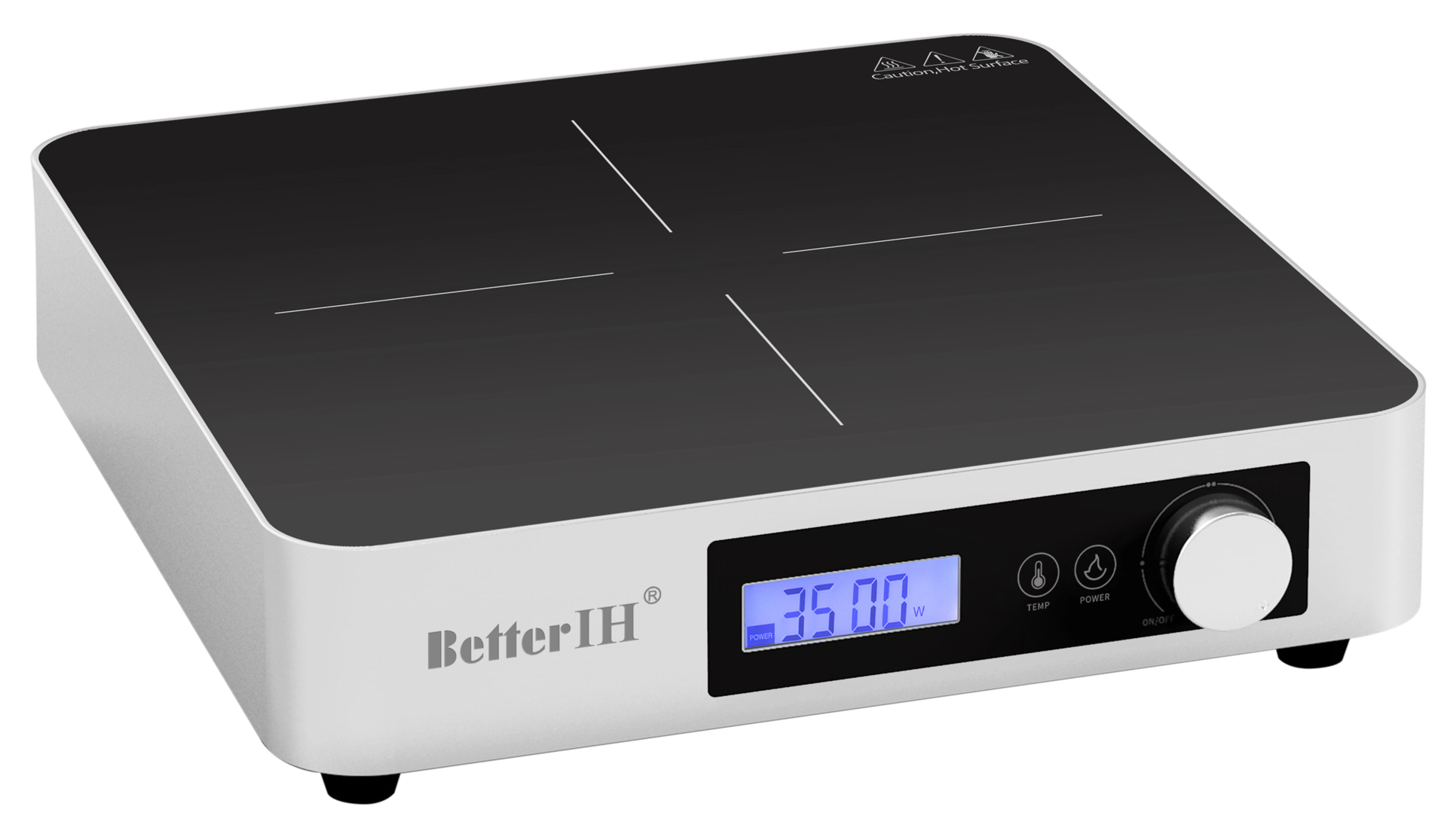
Control layout should be evaluated alongside speed. Our E350S has a stainless steel body, touch control, an LCD display, and a knob for adjusting power or temperature. Hob options include glass, Schott Ceran, and Eurokera France. The model also includes electronic overheating protection. These features describe the equipment; they do not replace recipe-based performance testing.
At Better Induction, we use customer application requirements to guide ODM and OEM discussions. Kitchen-equipment brands can share pan dimensions, portion sizes, target results, and control preferences before development decisions. Such details connect equipment configuration with the actual cooking task rather than a headline time.
Which Records Make the Comparison Reliable?
Use a consistent record for every run: recipe, ingredient mass, starting temperature, pan details, power settings, operator, elapsed time, and inspection outcome. Note why a batch fails. Undercooking, excessive browning, or inconsistent texture point to different problems and may require different adjustments.
For repeated service, evaluate the number of acceptable batches completed within a defined period. Include handling and necessary checks between cycles. A restaurant induction cooker that records a quick individual cycle may still produce fewer usable portions if operators repeatedly need to correct or reject batches.
Compare passing rates alongside elapsed times, rather than replacing them. If two configurations produce similar acceptable output, teams can then examine ease of operation, cleaning requirements, and control accessibility. This sequence keeps food quality as the qualification threshold and treats speed as a practical performance measure.
What Should Determine the Final Choice?
Fastest output identifies the shortest recorded cycle. Acceptable output identifies a batch that meets the kitchen's established requirements. Testing should show not only how quickly food can be cooked, but how consistently the kitchen can repeat a usable result in regular service.
For Better Induction, those findings help frame equipment-design discussions with commercial kitchen brands. When working with a commercial kitchen equipment manufacturer, buyers should supply a clear test method and acceptance criteria. That gives both sides a shared basis for reviewing performance and deciding whether a configuration suits the intended menu.
GET IN TOUCH
Contact With us