
Temperature overshoot occurs when the measured temperature rises beyond the intended target during a heating trial. It can happen even after heating power has been reduced. Heat stored in the cookware continues moving toward the measured area, so the temperature may climb before it starts falling.
For buyers comparing commercial induction cooking equipment, reaching a target temperature is only one part of the assessment. What happens immediately afterward is equally important. We examine the size and timing of this extra rise through repeatable tests, rather than treating one isolated temperature reading as a complete result.
What Does Overshoot Actually Measure?
Consider a trial with a target of 180°C. The probe reaches that value, but the reading continues to 188°C before declining. The recorded overshoot is 8°C. This calculation uses the highest reading minus the defined target, with both values taken from the same measurement point.
Overshoot is different from temperature cycling after a system settles. The first peak describes the response during the approach to the target. Later rises and falls describe ongoing stability. Keeping those observations separate makes it easier to identify which part of the heating process requires attention.
Measurement location matters too. Pan-base temperature, cooking-surface temperature, and oil temperature can differ at the same moment. Trial documentation should state which temperature is being controlled and which is merely being observed. Without that distinction, a reported peak can be misleading. The measurement point must also remain fixed throughout each test to support meaningful comparisons.
Why Can Heat Continue to Rise?
Cookware stores thermal energy as its base warms. When the heating input drops, that stored energy can still move toward the cooking surface or food. Thicker bases and heavier vessels may show different delays, although actual behavior depends on material construction and the heating conditions.
Control timing also affects the response. Power reduction may occur only after a sensor detects a temperature change. During that delay, the vessel may continue gaining heat. Even when the input stops promptly, heat already stored in the pan can produce a later temperature peak. This delay should be considered when interpreting the measured response.
Load conditions change the result. Oil volume, ingredient mass, starting temperature, and lid position affect how quickly heat is absorbed or lost. We avoid comparing measurements taken with different loads because an apparent control difference may come from the trial setup instead.
How Should the Test Be Set Up?
Start by specifying the vessel, its size and construction, the load mass, and the initial temperature. Define the target and select the probe location before heating begins. Keep those details unchanged across repeated runs, and document sensor type and recording interval.
Record temperature continuously as it approaches the target, passes through the peak, and returns toward a steadier range. Note the maximum reading and the elapsed time between reaching the target and reaching the peak. Together, these values describe both the magnitude and duration of the overshoot response.
For an induction ODM manufacturer, it is also useful to record operator actions. If someone turns a knob down, write down when that happened and which setting was selected. If temperature regulation is automatic, identify the operating mode. This avoids attributing a manual adjustment to the control system.
Which Results Deserve Comparison?
Two units may reach 180°C at similar times yet produce different peaks afterward. That difference is worth examining only when cookware, load, probe placement, and starting conditions match. Repeating each run helps distinguish a consistent pattern from ordinary measurement variation.
Peak overshoot should not be treated as the sole performance measure. Heating time, temperature recovery after adding food, and stability during continued cooking matter as well. Slowing the heating process may reduce overshoot, but it may also change how well the appliance fits its intended task.
For commercial induction cooking equipment, practical trials should reflect actual cooking procedures. Oil heating, water simmering, and pan preheating involve different heat-transfer conditions. We assess each scenario separately so that the reported result is tied to a specific load and operating method.
Where Does Product Development Fit?
These observations become useful when a heating design is being reviewed for a particular kitchen application. During product reviews, Better Induction uses defined trial conditions to discuss control response, cookware interaction, and the adjustments operators are expected to make. The purpose is to connect measurements with stated product requirements.
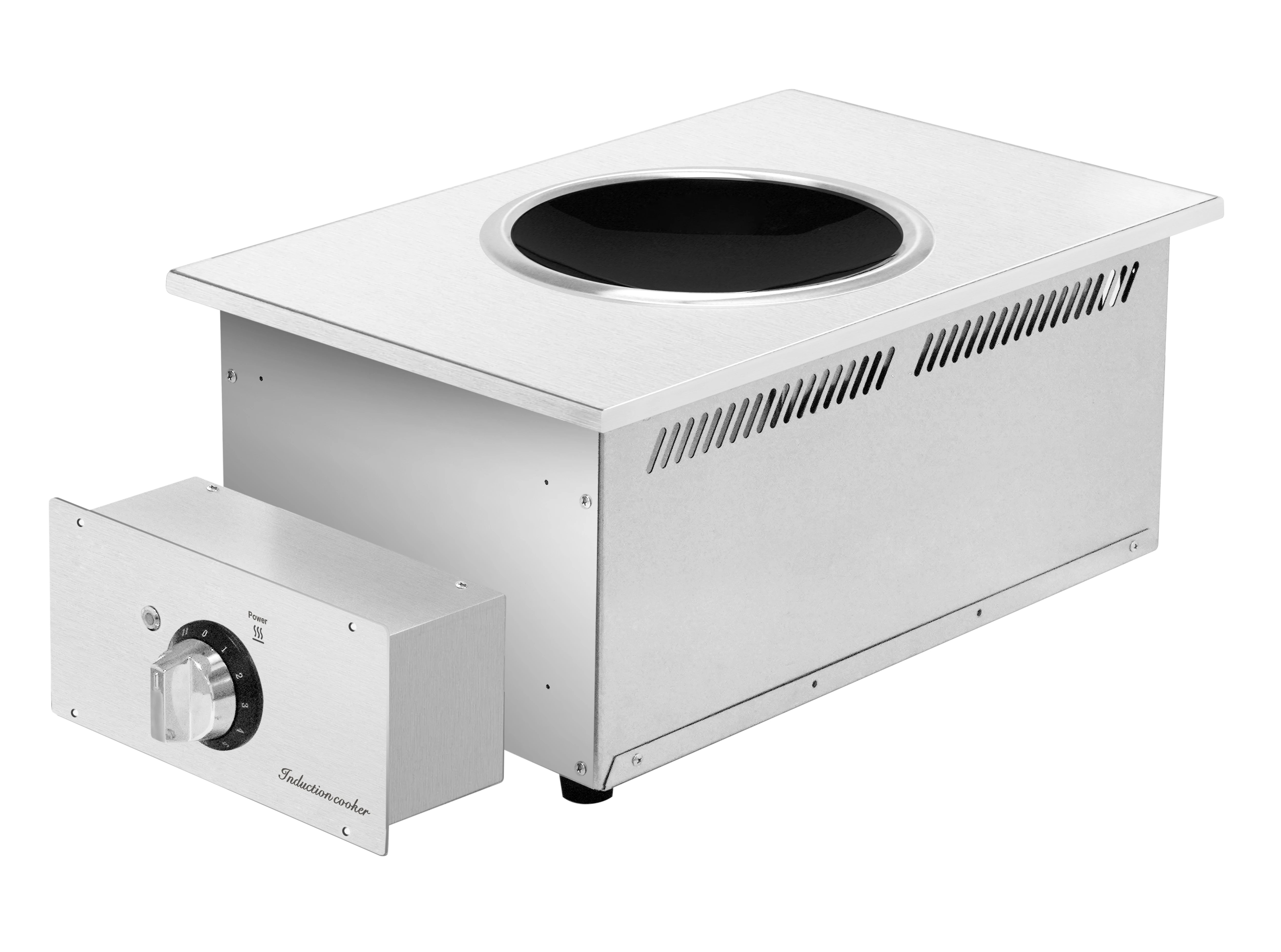
The BI500W is specified with a stainless steel body and knob control. In a trial using manual knob adjustments, the test record should capture each setting change and its timing. Those two product details do not establish a particular overshoot value or confirm an automatic temperature-control function.
Development discussions are clearer when customers provide the planned vessel, load, target temperature, and normal operating steps. These details help us select representative test scenarios and determine what data should be collected. They also prevent conclusions from being drawn across cooking methods that behave differently.
What Should the Trial Establish?
Temperature overshoot is the measured rise above a defined target, not simply evidence that an appliance heats too strongly. Its interpretation depends on sensor location, heat stored in the vessel, control timing, and load conditions. Comparable testing requires those variables to be documented and held consistent.
Working as an induction ODM manufacturer, Better Induction can discuss these findings with customers developing cooking products. We encourage buyers to share the heating task and expected operating sequence so that the evaluation focuses on measurable behavior, rather than an unsupported claim about temperature accuracy.
GET IN TOUCH
Contact With us