
Changing an induction setting takes seconds, but the pan may need considerably longer to reach a new temperature. Heavier cookware generally stores more heat than lighter cookware made from the same material. That difference matters when cooks move from preheating to searing or lower the heat for a delicate finish.
For buyers comparing commercial induction cooking equipment, quick electronic control is only part of the picture. Pan mass, construction, and the amount of food in the vessel all influence actual temperature changes. Understanding these factors helps kitchens plan more consistent cooking procedures.
Why Does Weight Affect Heating Time?
Heating metal requires energy. When two pans share the same material and begin at the same temperature, the heavier pan generally needs more energy to reach the same target. Under comparable heating conditions, that extra mass can make the temperature rise more slowly.
Material properties also matter. Cast iron, stainless steel, and layered bases differ in heat capacity and thermal conductivity. Thickness and construction influence how heat spreads through the cooking surface. Two pans of equal weight may therefore respond differently to the same power adjustment.
Food creates another demand for heat. Chilled vegetables or meat draw energy from the pan immediately after contact. Large portions can slow the temperature recovery even when the cooker responds promptly to a setting change. Buyers should consider cookware and typical portion size together.
What Happens When Power Rises?
Consider a kitchen switching from gentle cooking to high-temperature searing. Lighter cookware may reach the desired surface temperature quickly, provided its material and design suit the process. Heavier cookware may take longer to preheat but can release stored heat when food is added.
Induction generates heat inside compatible cookware rather than heating a conventional burner first. The heat still has to spread through the pan and enter the ingredients. Base thickness, material layers, and the position of the food can create differences across the cooking surface.
Preheating and recovery should be measured separately. Preheating ends when the empty pan reaches the intended condition. Recovery describes the response after a cooler batch enters. Some kitchens need quick preparation between tasks; others benefit more from reduced temperature drops during repeated batches.
Why Is Cooling Often Slower?
Lowering the power reduces the energy supplied to the pan. It does not immediately remove the energy stored in its metal. Heavy cookware can continue transferring heat to a sauce or delicate ingredient after the setting changes, increasing the risk of overcooking.
Cooling speed also depends on the load. Small amounts of sauce in a broad pan behave differently from a full pan of liquid. Heat loss through the surrounding air and contact with food can affect the cooling process. Pan weight alone cannot predict the entire cooling curve.
When a dish must stop cooking promptly, moving the pan away from the active position can help reduce further energy input. The cookware remains hot, however, and still transfers residual heat. Staff should follow safe handling procedures and account for this delay when planning service.
How Should Kitchens Compare Pans?
Start with induction-compatible pans of different masses. Record each pan's material, base diameter, and construction before testing. Use one cooking position, consistent starting conditions, and the same quantity of food or liquid. These details make the results easier to interpret. Tests should also use comparable power settings, since different heating inputs can distort the comparison.
Measure how long each pan takes to reach a defined temperature after increasing power. Then reduce the setting and monitor the temperature trend. Keep the measurement location and method consistent. Surface measurements and food temperatures answer different questions and should not be treated as interchangeable. Recording several readings over time provides a clearer picture than checking only the final temperature.
When choosing a professional induction cooker, buyers should compare temperature recovery after loading as well as initial warm-up. Tests using actual recipes and typical batches reveal more than an empty-pan trial. Repeating measurements helps distinguish normal variation from a meaningful performance difference.
Where Does Equipment Design Fit?
Pan tests are easier to compare when operators follow the same steps. Touch settings, preheating periods, and the timing of food addition should remain consistent. Otherwise, changes in cooking technique may appear to be differences caused by cookware mass. Written procedures also help kitchen teams repeat their tests when cookware or menu requirements change.
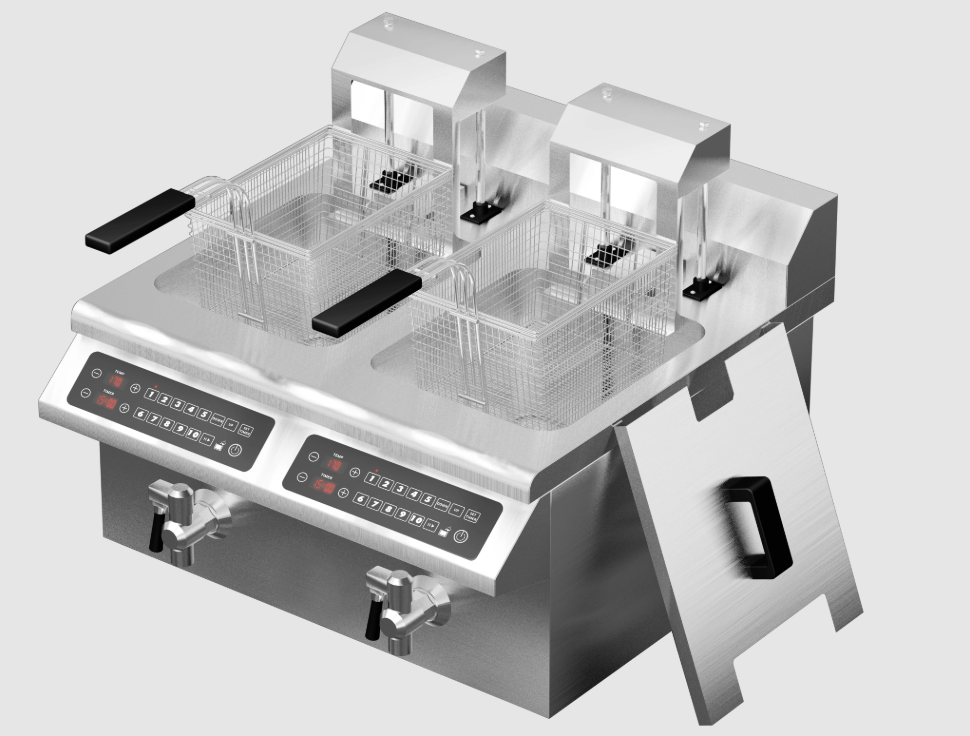
Our team at Better Induction offers the E350Z8H2 with a stainless steel body, auto-lift function, touch control, a two-plug cord, and electronic overheating protection. These stated features describe the product's construction and operation. They do not establish a particular temperature response without testing cookware and cooking loads.
For brands assessing commercial induction cooking equipment, we recommend documenting the cookware size, intended recipes, and target temperature behavior. This gives product development and purchasing teams a practical basis for comparing configurations instead of relying only on control descriptions.
What Should Buyers Take Away?
Pan mass shapes how much energy cookware needs to warm and how much heat it retains when power falls. Lighter pans can respond faster under comparable conditions, while heavier pans may help limit temperature drops during loading. Material and food quantity can change either result.
Our work at Better Induction supports induction product development for kitchen brands. We suggest evaluating a professional induction cooker using the pans, portion sizes, and cooking stages planned for everyday service. Clear measurements of preheating, recovery, and cooling give buyers useful evidence for selecting a suitable setup.
GET IN TOUCH
Contact With us