
Layered cookware can hum, click, buzz, or make short popping sounds when placed on an induction surface. These noises often change as the pan warms, even when the cooking setting remains unchanged. The difference comes from how magnetic forces, heat, and several bonded metal layers respond during operation.
For kitchen equipment buyers, the question is not simply whether a pan makes noise. It is which sound appears, when it occurs, and whether heating remains stable. Understanding these patterns helps teams assess cookware compatibility without treating every unusual sound as a defect.
Why Does a Layered Base Vibrate?
Induction heating creates a changing magnetic field beneath the cooking vessel. This field induces electrical currents in a suitable conductive base, generating heat. Magnetic materials may also experience small mechanical changes under the alternating field. Those changes can contribute to audible vibration.
Layered bases combine metals with different properties. One layer may respond strongly to the magnetic field, while another improves heat distribution. Their combined structure influences how vibration travels through the base and into the pan walls. Similar-looking pans can therefore produce noticeably different sounds.
For commercial induction equipment, cookware construction should be considered alongside power requirements. Testing the intended vessel at several settings reveals more than checking whether its base attracts a magnet. Magnetic attraction alone does not describe its complete heating or acoustic behavior.
How Do Bonded Metals React to Heat?
Steel, aluminum, and other cookware materials expand at different rates when heated. In a multilayer base, bonded sections restrict some of that movement. Small stresses develop as the temperature rises. They may release through brief clicks or ticks, particularly during warm-up and cooling.
These noises differ from continuous humming. Clicking often occurs intermittently as parts change temperature. Buzzing may persist while electrical power is applied. Distinguishing the two helps purchasing teams describe observations clearly when discussing cookware performance with suppliers.
Bond quality and base geometry also matter. Poorly bonded layers may behave differently from an intact structure, but noise alone cannot confirm separation. Visible deformation, unstable contact, or worsening heating performance deserves further inspection rather than an immediate conclusion about internal damage.
Why Does the Sound Change with Power?
Induction controls regulate energy delivery according to the selected setting and equipment design. Some systems vary operating conditions or switch power delivery in intervals at reduced settings. These changes can affect the vibration heard from a layered base. The exact behavior depends on the appliance.
Low settings may produce intermittent sounds as heating cycles change. Higher settings can create a steadier hum, although the pattern is not universal. Pan size, material composition, and the amount of food or water can all change the sound perceived by an operator.
Each professional induction cooktop should be assessed with the cookware and cooking process it will support. Testing an empty pan at high power is not a useful substitute for normal cooking conditions and may damage cookware. Follow the vessel manufacturer's heating instructions.
What Role Does Surface Contact Play?
Flat contact supports a stable position on the glass surface. Slightly warped or uneven bases may rock during use, making vibrations easier to hear. Small residues under the pan can also create uneven contact or additional noise as the cookware moves.
Base diameter matters as well. The magnetic layer may cover less area than the outer base suggests. The relationship between the active magnetic area and the heating zone can influence energy transfer and vibration. Buyers should assess actual compatibility instead of relying only on nominal pan diameter.
When evaluating commercial induction equipment, it is useful to test more than one cookware construction. Include vessels expected in daily service, such as stockpots and sauté pans, and compare their behavior under representative loads. This captures practical differences that a single demonstration may miss.
How Should Buyers Evaluate Audible Changes?
Start with a simple observation record: pan construction, base condition, load, power setting, and the sound heard. Note whether the noise starts immediately or develops during heating. Check whether the vessel remains stable and whether cooking performance changes.
Sounds accompanied by severe rocking, visible damage, electrical faults, or abnormal heating require attention. Stop operation when safety is uncertain and consult the relevant equipment or cookware instructions. Normal humming or occasional thermal clicks, however, do not automatically indicate a problem.
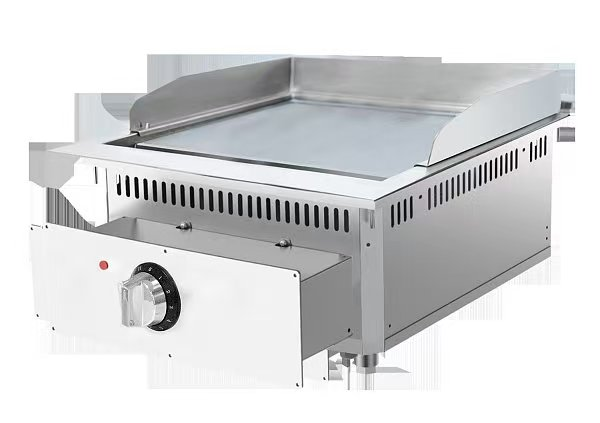
We at Better Induction develop induction cooking products for household and commercial applications. Our BI500P-800 model features a stainless steel body and knob control. For customers comparing equipment configurations, control style and exterior construction are practical details to review alongside cookware testing.
We also support ODM and OEM projects, including product design, research, and manufacturing. Buyers can share intended cookware types, operating conditions, and expected controls so that discussions remain connected to the kitchen's actual requirements rather than general claims about quiet operation.
Practical Considerations Before Equipment Selection
Layered cookware can sound different because bonded metals respond differently to magnetic forces and temperature changes. Pan stiffness, surface contact, and power delivery add further variation. Identifying the sound and its operating conditions is more useful than judging performance by noise alone.
We at Better Induction recommend testing a professional induction cooktop with representative cookware and cooking loads before finalizing a specification. Record sound patterns, stability, and heating results together. These observations give kitchen brands and equipment buyers a clearer basis for discussing practical compatibility.
GET IN TOUCH
Contact With us