
Equipment testing involves more than checking whether a unit heats correctly or responds to control inputs. The surrounding environment also needs attention. Room temperature, humidity, and ventilation can vary between testing locations. These differences may influence certain observations and make performance comparisons harder to interpret.
For commercial induction cooking equipment, recording ambient conditions helps engineers understand the circumstances behind each test result. We consider these records an important part of a structured evaluation. They provide useful references when reviewing unexpected results, repeating tests, or comparing equipment performance under different operating conditions.
What Should Technicians Measure Before Testing?
Room temperature should be recorded near the test station before operation begins. Note the measurement location, because readings beside a doorway or air-conditioning outlet may differ from those beside the appliance. Record temperature again during longer sessions.
Relative humidity adds another piece of context. It may help teams investigate condensation concerns, particularly when equipment moves between storage and warmer test areas. Humidity readings alone do not establish an electrical fault or a heating problem. Record visible moisture separately, together with when and where it appeared.
Airflow and ventilation settings also matter. Note whether exhaust hoods, ceiling fans, or nearby appliances were operating. Record the distance from walls and other obstacles if those objects could affect the unit's ventilation. These details describe the surroundings without implying causation.
Why Must the Test Setup Stay Consistent?
For a cooking equipment manufacturer, ambient data becomes useful only when the rest of the trial is documented. Specify cookware material, pan dimensions, load quantity, starting temperature, selected control setting, and measurement intervals. Different pots or water volumes can change heating results even under similar room conditions, making an incomplete test log misleading.
Keep instruments in consistent positions during repeated runs. A thermometer placed near a hot vessel measures a different local environment from one fixed farther away. Identify the measurement point in the written procedure and note changes immediately. Record instrument identification when relevant.
Trials performed on separate days need a repeatable sequence. Check the equipment's installation, record room conditions, prepare the defined load, and start measurements using the same procedure. If someone adjusts the ventilation halfway through, mark the time. Otherwise, later reviewers may treat an environmental change as equipment behavior.
When Can Surrounding Conditions Change the Interpretation?
Consider two water-heating trials in different kitchens. The first uses strong overhead extraction; the second takes place with little air movement. Heat lost from the vessel may differ, particularly over a longer test period. Recording the ventilation conditions helps engineers decide whether another controlled comparison is needed.
Warm surrounding air may also affect cooling performance, depending on the appliance design and available ventilation space. Still, a temperature-related interruption cannot be attributed to room heat without reviewing operating measurements and the manufacturer's requirements. Test reports should distinguish a recorded observation from an engineering conclusion.
Humidity requires similar care. Moisture on a surface may be connected to condensation, cleaning, or how the unit was stored. The test team should document the visible condition and relevant handling history. Environmental readings narrow the investigation, but they cannot replace inspection or appropriate electrical testing.
How Should a Product Trial Be Documented?
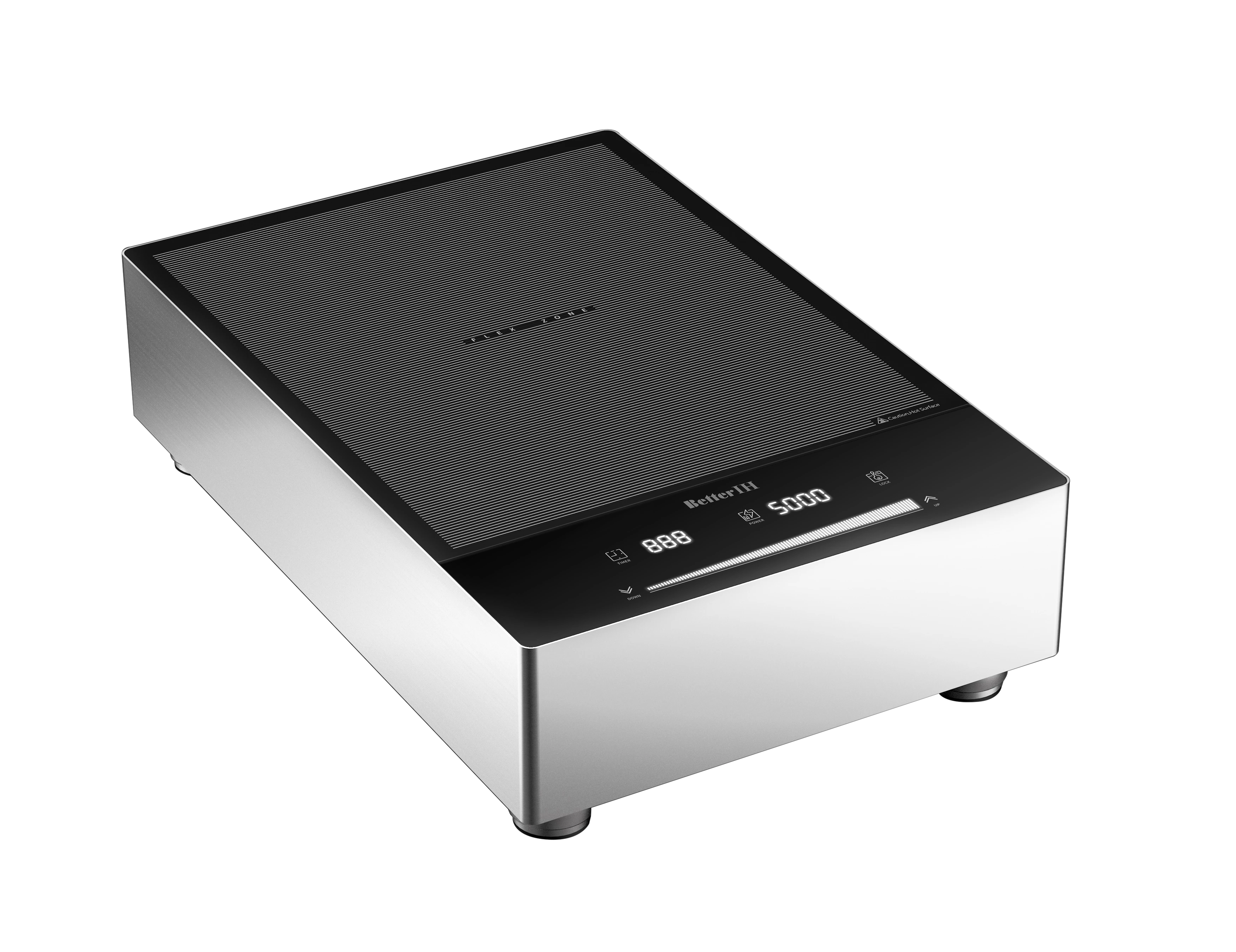
Test records should state the appliance model, its confirmed features, and the checks being performed. Our EK600F-2 has a stainless steel body and touch control. These details support defined observations of exterior condition and user input, but they do not establish unprovided power ratings, operating limits, or resistance to moisture.
For the stainless steel body, record the cleaning method, inspection time, and visible surface condition. For touch control, describe the operating sequence and whether each intended input was registered. Keep those checks separate from heating trials. This separates usability, appearance, and cooking performance.
As an OEM and ODM provider, Better Induction can discuss trial plans with kitchen equipment brands and project teams. Our work includes product design, development, and manufacturing. Those services are relevant when a customer needs consistent test documentation across prototypes and production samples, although actual acceptance criteria must be agreed for each project.
What Should Buyers Request From Test Reports?
Buyers reviewing test reports should request the trial date, room readings, ventilation configuration, cookware details, load information, test sequence, and measured results. Photographs can support written descriptions. Reports become easier to compare when they disclose how and where readings were collected.
The report should also identify deviations from the original procedure. Perhaps a fan was switched on, a measuring instrument moved, or the cookware was replaced. These changes should remain visible in the record. Omitting deviations weakens engineering review.
For overseas projects, testing at the destination site may reveal conditions different from those at the development facility. Compare both logs before interpreting discrepancies. If the setup or environment differs substantially, schedule a controlled repeat run rather than making a product decision from unrelated results.
Better Records, More Defensible Decisions
Ambient records make trials easier to interpret, repeat, and discuss. For commercial induction cooking equipment, room temperature, humidity, airflow, and installation conditions should accompany the cooking load and operating measurements. Together, these details show what was tested and under which circumstances, without turning environmental observations into unsupported explanations.
At Better Induction, we encourage customers to define trial conditions before testing begins and preserve deviations in the final report. A cooking equipment manufacturer and its customer can then review differences using the same documented evidence. Clear records do not remove every uncertainty, but they help direct the next test or technical discussion.
GET IN TOUCH
Contact With us