
Two cooking appliances can heat equal amounts of water for different lengths of time without having different heating performance. Sometimes the difference begins before either appliance is switched on. Water taken from a cool supply requires more heating than water that has already warmed in the test room.
Starting temperature therefore belongs in the test record, not just in the preparation notes. When we assess a restaurant induction cooker, this measurement helps us distinguish a genuine performance difference from an inconsistent starting condition. It also makes results easier for buyers and test teams to review.
What Does the Initial Reading Tell Us?
Water must absorb heat before reaching its boiling point. For a fixed water mass, the required energy depends partly on the temperature increase. Starting at 15°C rather than 25°C creates a larger heating task, even when the appliance, pan, and selected setting remain unchanged.
For example, heating one kilogram of water from 20°C to 100°C requires approximately 335 kilojoules of energy absorbed by the water. Starting at 30°C reduces that amount to about 293 kilojoules.
Because heat also escapes into the surroundings and warms the cookware, recorded boiling time cannot be converted directly into efficiency. The starting reading nevertheless identifies a major variable that must be controlled before results from separate runs are compared.
Where Should the Probe Go?
Measure the water itself rather than using room temperature as a substitute. Water left beside equipment or drawn from different taps can start at different temperatures. Previously heated cookware can transfer residual heat into a fresh sample.
Place a suitable temperature probe at a consistent position within the water, clear of the pan's sides and base. Let the reading settle before recording it, ideally just before switching on the cooking appliance. Gently stir the water if necessary to reduce differences between warmer and cooler layers.
We recommend noting the probe position and measurement time in the test instructions. This simple step makes it easier to repeat the setup when testing several samples or working across different shifts.
Which Conditions Must Stay the Same?
Starting temperature is important, but it cannot compensate for changes elsewhere. Keep water mass, cookware, heating setting, and lid arrangement consistent.
Define the stopwatch rule before testing. Timing might begin when the heating control is activated and end at sustained boiling, as described in the procedure.
Atmospheric pressure also affects the boiling temperature. Water generally boils below 100°C at higher elevations. When comparing tests from different locations, record relevant pressure or location information instead of assuming that every sample reaches the same boiling temperature.
Why Do Repeated Results Sometimes Disagree?
Residual heat is a frequent source of variation. If a pan remains hot after the first run, the following sample may warm before timing begins. Measure the initial water temperature only after the sample is placed in the pan and the setup is ready.
Another source is inconsistent preparation. Operators may measure water by volume at different temperatures or leave a filled pan standing for different periods.
When one boiling time differs from the others, compare the recorded starting temperatures first. Then check the pan condition, selected control setting, timing rule, and observed boiling endpoint. Repeat the trial under documented conditions before rejecting an unexpected result.
How Does the Intended Use Change the Test?
Rapid boiling is relevant to some cooking applications, but warming equipment requires different performance checks. For a holding application, teams may examine temperature stability, control response, and behavior over an extended operating period. Boiling speed alone does not describe those functions.
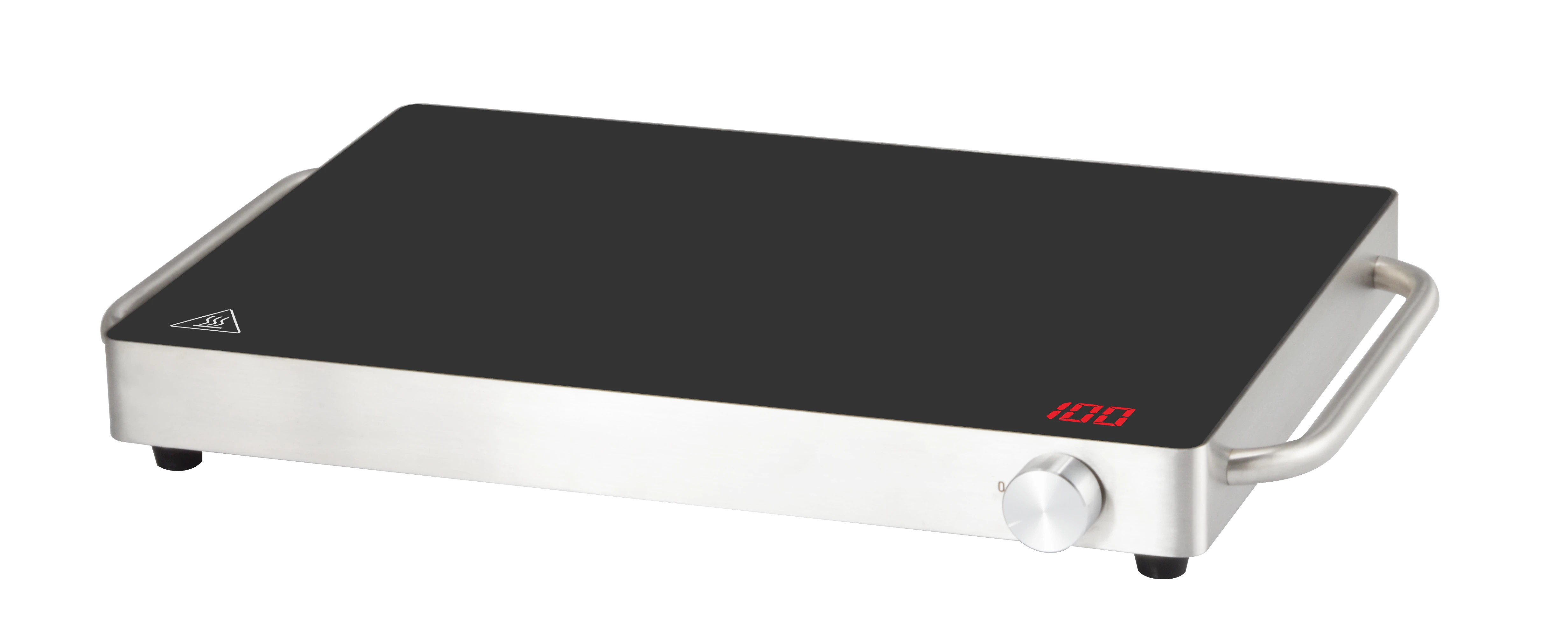
Our BF100B has a stainless steel body with two stainless steel handles and knob-based temperature adjustment. Available hob options include glass, Schott Ceran, and Eurokera France glass. It includes a temperature display at the glass plate's right corner and electronic overheating protection. It is especially intended for keeping food warm.
At Better Induction, we use the intended application to guide discussions about appropriate evaluation methods. When clients compare equipment for different tasks, we encourage them to match test measurements to the actual cooking or holding process rather than rely on one boiling-time figure.
What Should a Buyer Request from a Test Report?
For a restaurant induction cooker, a useful report should state water mass, measured starting temperature, pan details, control setting, lid condition, timing method, and endpoint. Individual test results are more informative than a single selected time, especially when repeatability matters to purchasing teams.
Our induction OEM services include product design, development, and manufacturing for customer-branded equipment. We can discuss test requirements as part of a project specification, while keeping performance claims tied to measurements obtained under defined conditions.
Clear records allow engineering teams to decide whether a difference warrants further investigation.
Reliable Comparisons Begin Before Heating
The initial water temperature determines part of the energy needed to reach boiling. Recording it helps explain timing differences, supports repeat trials, and prevents misleading comparisons. Combined with consistent cookware, water mass, and timing rules, the measurement gives boil-test results practical meaning.
Better Induction supports customer-branded induction equipment projects, including discussions of product evaluation within our induction OEM services. Buyers can share their intended application and proposed test conditions so we can review which measurements should be documented before product comparisons begin.
GET IN TOUCH
Contact With us